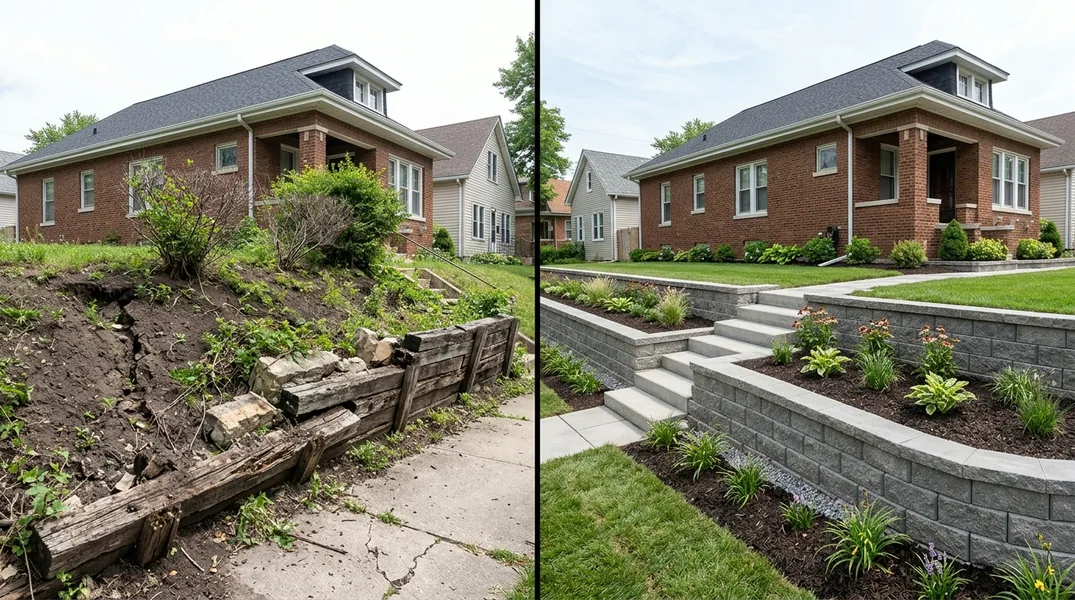
Do You Need a Permit for a Retaining Wall in Chicago?
If you're planning a Retaining Wall Installation in Chicago, one of the first questions you should ask is whether you need a permit. The short answer is yes, in most cases. Chicago and Cook County have specific building codes and regulations that govern retaining wall construction, and failing to obtain the proper permits can result in fines, forced removal of the structure, or complications when selling your home.
The permit requirement depends on several factors, including the height of the wall, its location on your property, the materials used, and whether it will retain soil or water. Even if you're planning a relatively small project, it's essential to understand the local regulations before breaking ground. Many homeowners assume that because a retaining wall is on their private property, they don't need permission from the city. However, this is a common misconception that can lead to costly mistakes.
Understanding Chicago's Retaining Wall Height Limits
One of the most important regulations to understand is the retaining wall height limit in Chicago. The city's building code typically requires permits for retaining walls that exceed four feet in height. A 4 foot retaining wall permit is often the threshold where city oversight kicks in, though this can vary depending on your specific location and the wall's purpose.
If your retaining wall will be four feet tall or less and meets certain other conditions, you might be able to proceed without a formal permit, though you should still verify this with your local building department. However, walls taller than four feet almost always require a permit, and for walls exceeding six feet, the requirements become even more stringent. The city wants to ensure that tall walls are properly engineered, constructed with appropriate materials, and won't pose a safety risk to your property or neighboring properties. Additionally, if your wall is near a property line, you may face additional restrictions regardless of height.
When a Retaining Wall Permit Is Required in Chicago
The permit requirement for a retaining wall depends on several specific conditions. If you're building a wall that retains soil and is higher than four feet, a permit is almost certainly required. If the wall is located within the setback area near your property line, or if it will support a structure like a deck or shed, you'll need a permit even if it's shorter. Walls that retain water, such as those around a pond or pool, have even stricter requirements and almost always need permits and professional engineering.
Another factor is whether the wall is considered a structural element. If the retaining wall is part of a larger project, such as a foundation repair or landscaping renovation that involves grading changes, the entire project may trigger permit requirements. Additionally, if your property is in a flood zone or has other environmental considerations, you may need permits and environmental reviews. The safest approach is to contact your local Chicago building department or the Cook County Department of Building and Zoning before starting any work. They can provide definitive guidance based on your specific situation and property characteristics.
The Permit Application Process and What to Expect
Applying for a retaining wall permit in Chicago involves submitting detailed plans and specifications to your local building department. You'll typically need to provide site plans showing the wall's location on your property, elevation drawings showing the height and design, soil reports if required, and engineering calculations for walls over a certain height. The application will also require information about drainage, materials, and how the wall will be constructed.
The review process can take anywhere from a few weeks to several months, depending on the complexity of your project and the current workload of the building department. Once approved, you'll receive a permit that authorizes construction. A building inspector will likely visit your property at various stages of construction to ensure the work complies with the approved plans and local building codes. This inspection process protects you by ensuring the wall is built safely and correctly. If you're working with a professional Retaining Wall Installation company like Chicago Retaining Wall, they can often handle much of the permit paperwork and coordinate with inspectors on your behalf.
Why You Should Hire a Professional for Permit and Installation
Given the complexity of permit requirements and building codes, hiring a professional retaining wall contractor is one of the smartest decisions you can make. A qualified company understands all the local regulations, knows exactly what documentation is needed for your specific project, and can ensure your wall is designed and built to code. Attempting to navigate the permit process on your own can lead to mistakes, delays, and ultimately, a wall that doesn't meet safety standards.
Professional contractors also have relationships with local building inspectors and can often expedite the review process. They know common issues that cause permit rejections and can design your wall to avoid those problems from the start. Additionally, if you ever need Retaining Wall Repair or Retaining Wall Replacement down the road, having a professionally installed wall with proper permits and inspections on record will make those future projects much easier. Chicago Retaining Wall has extensive experience with the local permit process and can guide you through every step. We can provide you with a free estimate and explain exactly what permits and approvals your project will need.
Common Mistakes to Avoid When Building a Retaining Wall
One of the most common mistakes homeowners make is building a retaining wall without obtaining a permit, assuming the city won't find out or that it doesn't matter. This is risky because unpermitted work can be discovered during a home inspection when you sell, during a property survey, or if a neighbor complains. The consequences can include having to tear down the wall, paying fines, or dealing with legal disputes with neighbors. Additionally, if an unpermitted wall fails and causes damage to neighboring properties, you could be held liable for repairs and injuries.
Another mistake is choosing materials or designs that don't meet local codes. For example, Concrete Retaining Walls have specific requirements for thickness, reinforcement, and drainage that vary based on height and soil conditions. Using the wrong materials or improper construction methods can result in wall failure, property damage, or injury. Finally, many homeowners underestimate the importance of proper drainage and site preparation. A well-built retaining wall requires adequate drainage systems to prevent water buildup behind the wall, which can cause structural failure over time. Professional contractors know these details and build them into the project from the start.
Looking for a professional retaining wall contractor in Chicago? Chicago Retaining Wall responds fast for all your retaining wall needs.
Get a Free QuoteOur services: Retaining Wall Installation · Retaining Wall Repair · Retaining Wall Replacement